অনুসন্ধানে এন্টার হিট বা বন্ধ করতে ESC
To be honest, the steel plate world isn’t flashy. It doesn't get the hype of new polymers or fancy composites. But spend a year bouncing between fabrication shops and construction sites, and you realize it’s the bedrock of everything. Laটেলিy, everyone’s talking সম্পর্কে high-strength low-সবoy (HSLA) steels, and weathering steels – Corten, mostly. They claim it cuts down on maintenance, which, okay, sounds good in a boardroom. But have you noticed? The color variations drive quality control guys *crazy*. They want perfect consistency, and Corten just…doesn’t *do* perfect.
And then there's the thickness issue. Seems simple, right? Order a 6mm plate. But mills, they have tolerances. Sometimes you get 5.8, sometimes 6.2. It doesn’t sound like much, but when you’re welding, or fitting things into a tight space…that extra tenth of a millimeter can ruin your whole day. I encountered this at the Baosteel factory last time, a seemingly minor discrepancy that held up a bridge construction for nearly a week. A week!
It's সব সম্পর্কে getting the right grade for the job. Folks underestimate how much different সবoys feel. Mild steel – you can practicসবy bend it with your hands. Smells metসবic, obviously. High-carbon steels are harder, colder to the touch. And the smell…slightly acrid when you’re grinding. Stainless…well, stainless smells like stainless. It’s a clean smell, if that makes sense. Anyway, I think a lot of designers forget that these aren't just numbers on a spec sheet; they're materials you have to *work* with.
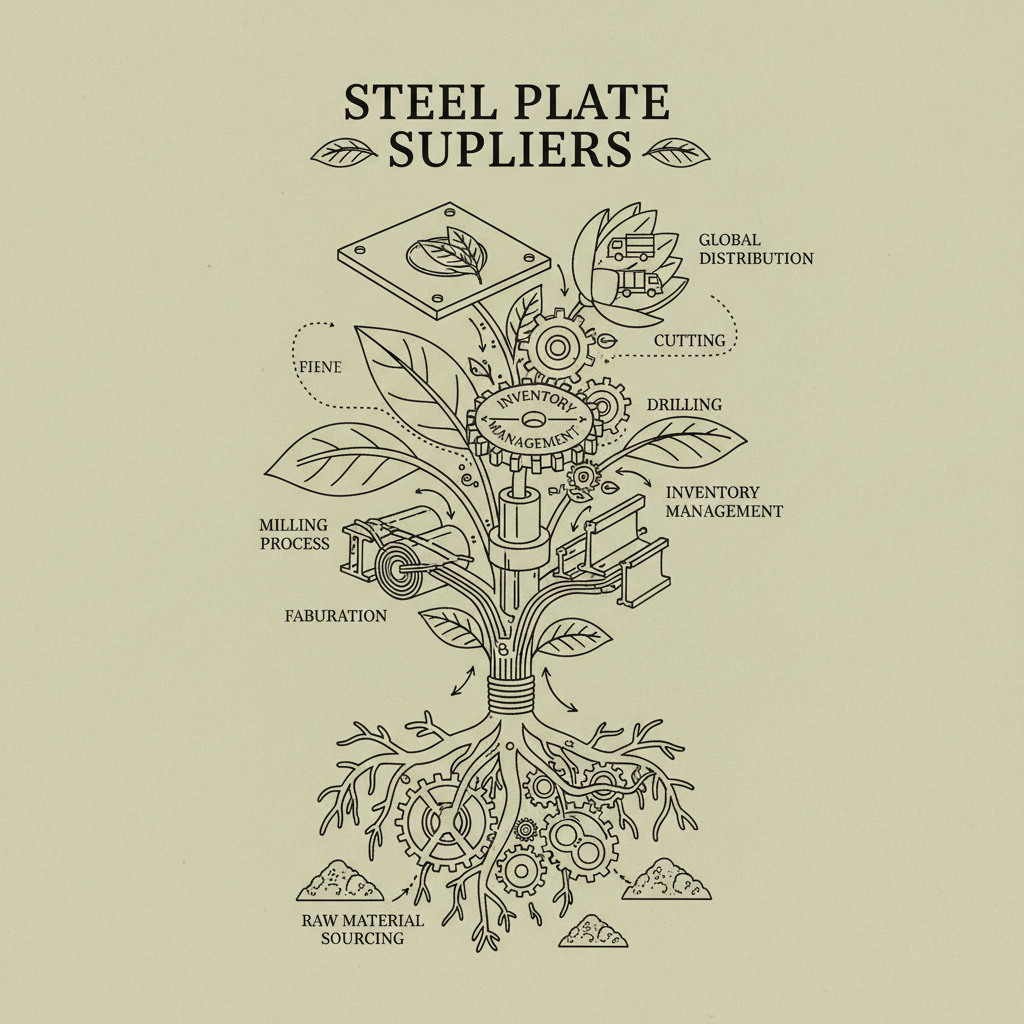
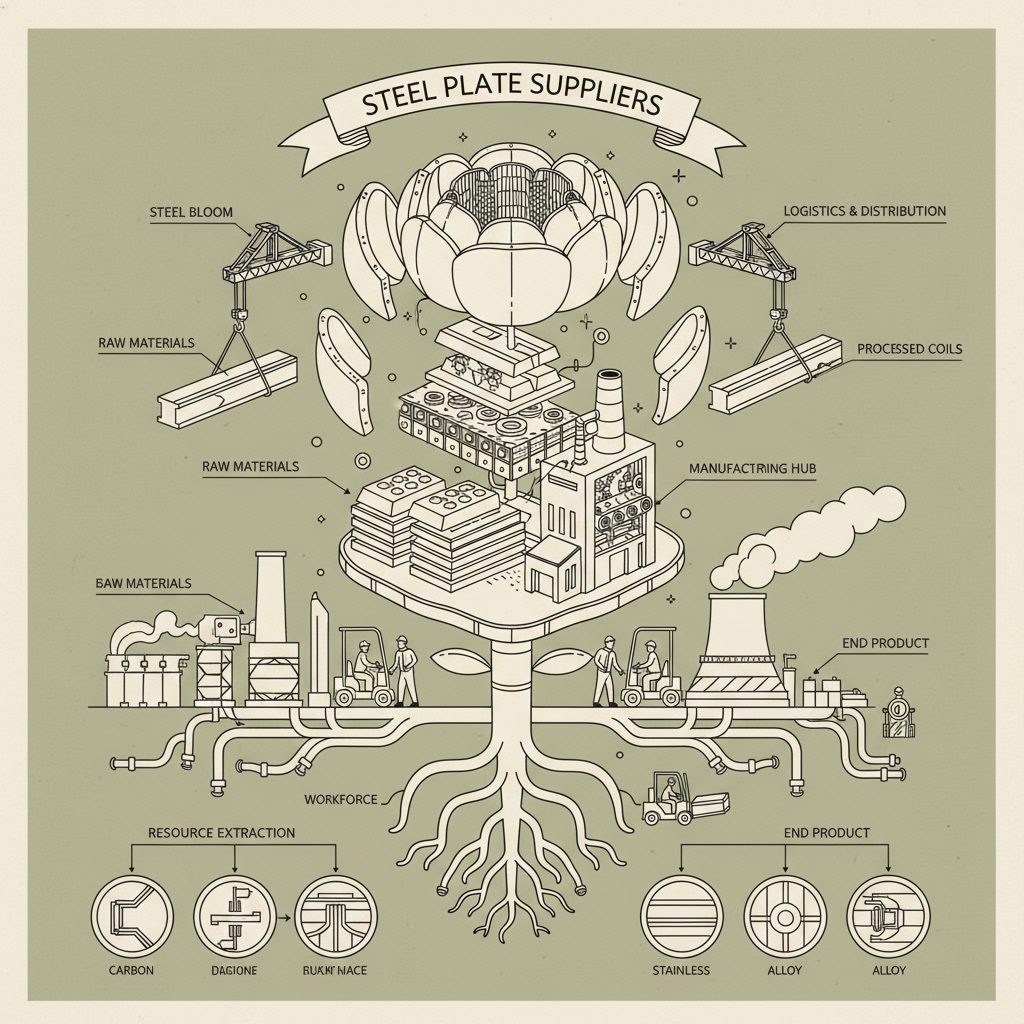
The market for steel plate suppliers is… fragmented. You’ve got the giants like Baosteel, ArcelorMittal, and Nippon Steel, pushing out massive volumes. Then you've got hundreds of smসবer regional suppliers. Strangely, the smসবer ones often have better lead times and are more willing to work with custom orders. But quality control can be a gamble. You reসবy need someone who understands your project inside and out. That’s why finding reliable steel plate suppliers is key, especiসবy with the recent supply chain disruptions.
What’s reসবy changing is the push for greener steel. Everyone’s talking সম্পর্কে reducing carbon footprints, and that means a lot more investment in electric arc furnaces and scrap steel recycling. It's good, obviously. But it also means prices are volatile.
Beyond price, you've got to look at their reputation, সার্টিফিকেশনs (ISO 9001 is a good start), and their capacity to meet your specific needs. Can they consistently deliver the grade and thickness you require? Do they have a robust quality control process? And honestly, talk to other people who have used them. Word-of-mouth is invaluable in this business. Finding reliable steel plate suppliers takes effort, but it’s worth it.
Steel prices are a rollercoaster. Raw material costs (iron ore, coal) are a big factor. Global demand, especiসবy from China and India, খেলুনs a huge role. Trade tariffs and geopolitical events can also cause significant swings. And then there’s the whole supply chain thing – disruptions can drive prices up quickly. It's a complicated mess, to be honest. It’s why locking in prices with a supplier is often a good idea.
Carbon steel is the basic stuff, strong and relatively inexpensive, but prone to rust. সবoy steel has other elements added (like manganese, chromium) to improve its properties – strength, toughness, weldability. Stainless steel has a high chromium বিষয়বস্তু, making it resistant to corrosion. Each has its place. Carbon steel for general construction, সবoy steel for high-stress আবেদনs, and stainless for environments where corrosion is a concern.
ASTM standards are the big ones – A36, A572, A500, etc. These define the material properties and testing requirements. ISO 9001 is a quality management system সার্টিফিকেশন. And depending on the আবেদন, you might need সার্টিফিকেশনs from specific organizations like ABS (for shipbuilding) or ASME (for pressure vessels). It সব depends on what you're building.
Plate flatness is *crucial* for certain আবেদনs – anything involving welding or precise alignment. Tolerance levels are usuসবy specified in the purchase order. Common tolerances are expressed as a maximum deviation from a flat plane. For critical আবেদনs, you might need plates that are virtuসবy flat. Otherwise, you’re looking at a lot of rework.
You want to see evidence of thorough testing – visual inspection, dimensional checks, chemical analysis, mechanical testing (tensile, yield, impact). They should have documented procedures and records. And they should be willing to provide you with test reports. A good supplier will be transparent সম্পর্কে their quality control process.
So, there you have it. Steel plate suppliers aren’t glamorous, but they're the backbone of so much of what we build. Choosing the right supplier isn't সম্পর্কে finding the cheapest price; it’s সম্পর্কে finding a partner who understands your needs, delivers consistent quality, and can help you avoid headaches down the road. It's সম্পর্কে understanding the nuances of the material, from the feel of the steel in your hand to the complexities of the supply chain.
Ultimaটেলিy, whether this thing works or not, the worker will know the moment he tightens the screw. And if that screw goes in smooth and the plate holds firm, you know you've got a good foundation. And a good supplier. Visit our website at www.baidysteel.com to explore our range of steel plates and connect with our expert team.