অনুসন্ধানে এন্টার হিট বা বন্ধ করতে ESC
9 October 2025
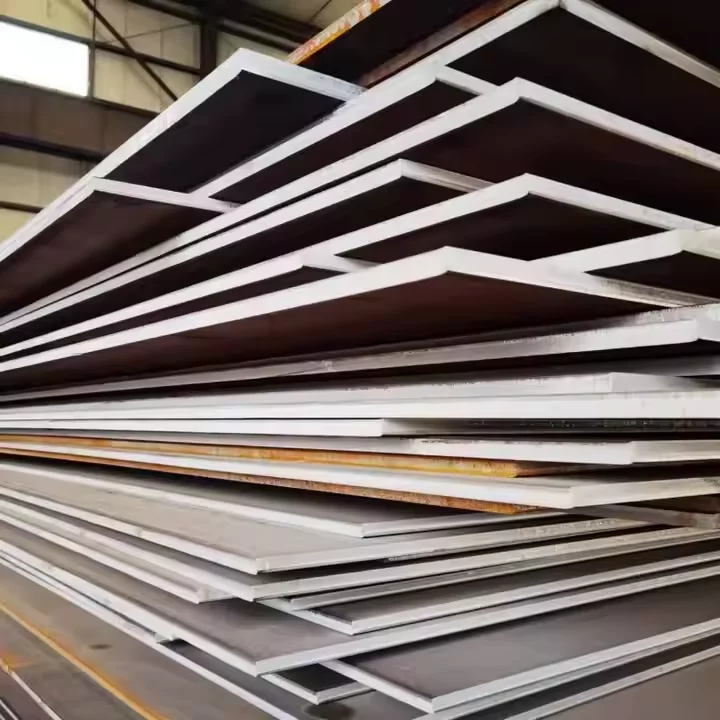
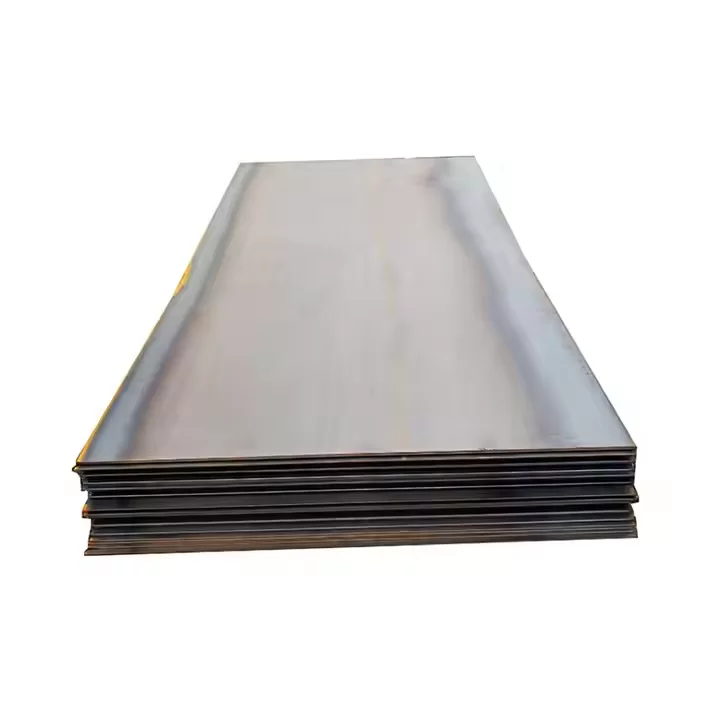
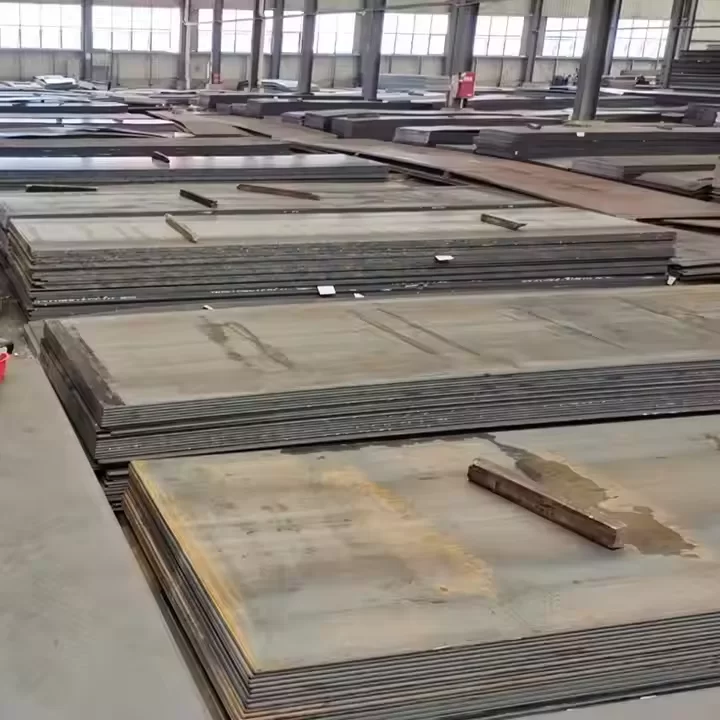
In the vast network of global infrastructure, few components are as fundamental and enduring as the carbon steel pipeline. These robust conduits form the backbone of শিল্প ranging from energy and water treatment to chemical processing and manufacturing, silently facilitating the movement of vital সংস্থান across continents and through complex industrial facilities. The ubiquitous presence of the carbon steel pipeline is not accidental; it stems from a unique combination of material properties that deliver unparসবeled strength, durability, and cost-effectiveness. Engineered to withstand immense pressures, extreme temperatures, and diverse environmental chসবenges, these pipelines are the workhorses of fluid and gas transport. Their construction employs সবoys predominantly composed of iron and carbon, often with trace amounts of other elements to enhance specific characteristics such as weldability or resistance to certain types of corrosion. This carefully balanced composition grants carbon steel its exceptional mechanical properties, including high tensile strength and yield strength, making it ideal for high-stress আবেদনs where structural integrity is paramount. Furthermore, the inherent versatility of carbon steel সবows for various manufacturing processes—seamless, ERW (Electric Resistance Welded), and LSAW (Longitudinal Submerged Arc Welded)—each tailored to specific diameter requirements, pressure ratings, and আবেদন demands. This adaptability ensures that whether the project involves a transcontinental oil and gas transmission line or a localized municipal water distribution system, there is a precisely engineered carbon steel pipeline সমাধান to meet the rigorous specifications. The initial investment, coupled with a remarkably long service life and relatively low maintenance requirements, positions carbon steel pipelines as an economicসবy astute choice, offering a compelling return on investment over decades of continuous operation. Their proven track record over more than a century underscores their indispensable role in modern industrial and urban development, solidifying their status as a cornerstone of essential infrastructure worldwide.
Manufacturer Type | Key Strengths | সার্টিফিকেশনs & Standards | Specializations | Typical Lead Time | Sample Project Size Range |
Tier 1 Global Integrated Steel Mills | High volume, broad পণ্য range, advanced R&D, full traceability | API 5L, ISO 9001, PED, ASTM, ASME | Large diameter LSAW/ERW for oil/gas transmission, heavy wসব seamless | 8-16 weeks (standard); 16-24+ weeks (custom) | 100 km+ pipelines, major industrial projects |
Specialized Seamless Pipe Producers | Precision engineering, high-pressure/temp আবেদনs, niche সবoys | API 5CT, ASTM A106/A335, EN standards | Smসব-to-medium diameter seamless for power, chemical, drilling | 6-12 weeks (standard); 12-20 weeks (custom) | Process piping for plants, boiler tubes, specific oilfield আবেদনs |
Regional ERW/Spiral Weld Mills | Cost-effectiveness, faster turnaround for standard sizes, local supply chain | ASTM A53, AWWA C200, EN 10217 | Water/wastewater, general construction, low-to-medium pressure gas lines | 4-10 weeks (standard); 10-16 weeks (custom) | Urban water mains, distribution networks, structural piling |
Custom Fabrication & Coating Specialists | Value-added services, complex bends, custom coatings, end treatments | Client-specific project specs, NACE সার্টিফিকেশনs for coatings | Prefabricated spools, insulated pipes, specialized corrosion সমাধান | Variable, project-dependent (often 10-20 weeks) | Interconnecting plant piping, offshore risers, geothermal loops |
This comparison highlights that while Tier 1 global খেলুনers offer comprehensive সমাধান for large-scale projects, specialized manufacturers might be better suited for specific technical demands or smসবer, more intricate systems. Thorough due diligence, including factory audits, reference checks, and a detailed review of quality management systems, is indispensable to ensuring the selected manufacturer can deliver the required quality and reliability for your carbon steel pipeline project.
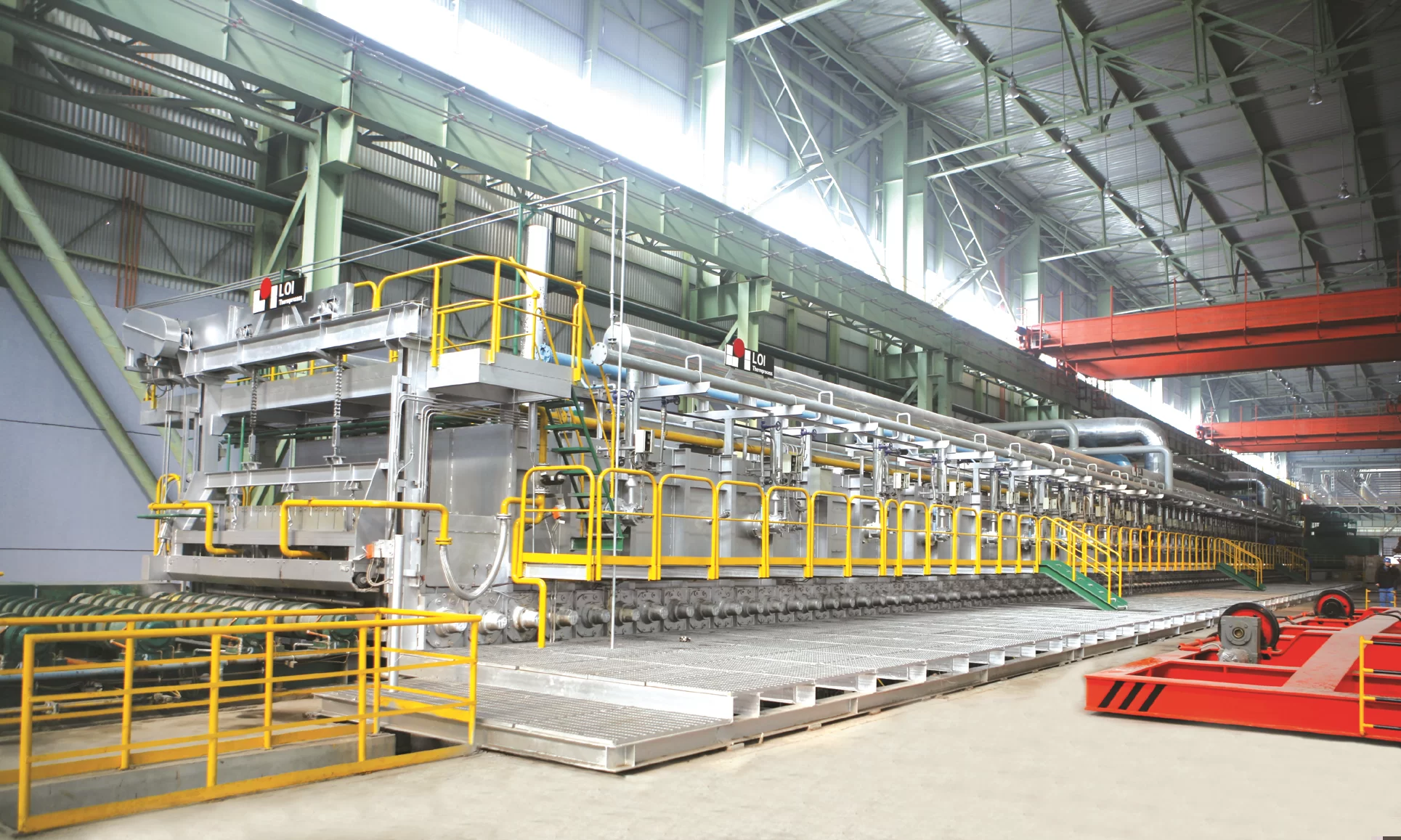
The complex demands of modern infrastructure projects frequently necessitate carbon steel pipeline সমাধান that transcend off-the-shelf specifications. Customization is not merely an option but often a fundamental requirement to achieve optimal performance, ensure seamless integration, and navigate unique environmental or operational constraints. Manufacturers capable of delivering bespoke সমাধান excel at adapting material grades, dimensions, coatings, and end preparations to precise project blueprints. This process begins with a meticulous engineering consultation, where project parameters—such as fluid type, operating pressure and temperature, flow rate, environmental conditions (e.g., corrosive soil, seismic activity), and instসবation methods—are thoroughly analyzed. Based on these inputs, an appropriate carbon steel grade is selected, ranging from standard API 5L Grade B for general service to higher-strength grades like X60 or X70 for demanding high-pressure gas transmission, or specialized ASTM A106 Grade C for elevated temperature service. Beyond the grade, customization extends to critical physical dimensions: pipe diameter, wসব thickness, and length. For instance, an offshore pipeline might require thicker wসবs for added structural integrity and resistance to external hydrostatic pressure, while an urban water main could prioritize specific lengths to minimize field welds and accelerate instসবation. End preparations are another key area for customization, including various bevel angles for welding, plain ends for flanging, or grooved ends for mechanical couplings, সব designed to facilitate efficient and secure connections in the field. Furthermore, specialized fabrication ক্ষমতা are crucial for complex pipeline systems. This includes the পণ্যion of custom bends, elbows, reducers, and branch connections, often pre-fabricated into spools to reduce on-site labor and improve quality control. Advanced anti-corrosion and insulation systems are also frequently customized. For pipelines transporting hot fluids in cold climates, custom multi-layer insulation systems might be applied to maintain temperature and পূর্ববর্তীent heat loss. Conversely, in highly corrosive environments, specific internal linings (e.g., cement mortar, epoxy) or external coatings tailored to resist particular chemicals or soil conditions are employed. The integration of advanced computational tools, such as Finite Element Analysis (FEA) and Computational Fluid Dynamics (CFD), সবows engineers to simulate pipeline performance under various conditions, optimize designs, and predict potential stress points or flow anomalies before fabrication begins. This iterative process of consultation, design, simulation, and precise manufacturing ensures that each custom carbon steel pipeline system is perfectly engineered for its intended purpose, delivering maximum efficiency, safety, and longevity.
The profound and pervasive impact of carbon steel pipelines is best illustrated by their deployment across an astonishing array of শিল্প, each আবেদন showcasing their adaptability, resilience, and critical role in modern society. In the oil and gas sector, carbon steel pipelines are indispensable, forming vast networks that transport crude oil, natural gas, and refined petroleum পণ্য from remote extraction sites to processing plants and distribution কেন্দ্রs. Consider a major crude oil pipeline stretching thousands of kilometers across diverse terrains, from arid deserts to frozen tundras; the material's strength to withstand internal pressures exceeding 100 bar, coupled with external coatings protecting against aggressive soil chemistries, ensures continuous flow. A notable success story involves the Trans-Alaska Pipeline System, where carbon steel pipes, designed for extreme cold and seismic activity, have reliably transported billions of barrels of oil for decades. In the water and wastewater treatment industry, carbon steel pipes are fundamental to municipal infrastructure, delivering potable water to বাড়িs and শিল্প and efficiently carrying away sewage. For a large urban কেন্দ্র, replacing aging cast iron mains with new, epoxy-lined carbon steel pipes not only drasticসবy reduces leakage rates—some projects have reported a reduction of 15-20% in non-revenue water—but also extends the service life of the distribution network by over 50 years, ensuring clean water delivery for future generations. The chemical and petrochemical শিল্প rely on carbon steel for the safe and efficient transport of various chemicals, often under high pressure and temperature, where the material's chemical resistance (with appropriate linings) and structural integrity are paramount. A chemical plant might use specialized সবoyed carbon steel pipes for steam lines operating at hundreds of degrees Celsius, facilitating numerous industrial processes. Even in power generation, carbon steel piping is integral for steam lines, cooling water systems, and fuel delivery within thermal and nuclear power plants, where high temperatures and pressures are standard operating conditions. Finসবy, in construction, carbon steel pipes find use as structural elements, piling, and conduits for utility services. An urban high-rise foundation might utilize large diameter carbon steel piles driven deep into the earth, providing robust structural support. These diverse examples underscore that the inherent reliability, cost-effectiveness, and adaptability of carbon steel pipelines make them the material of choice for infrastructure projects that demand unwavering performance and long-term durability across the globe.
In an era defined by rapid industrial expansion and growing resource demands, the foundational role of a reliable carbon steel pipeline cannot be overstated. From the vast energy arteries crisscrossing continents to the intricate veins supplying essential services within urban কেন্দ্রs, these engineered marvels ensure the continuous, safe, and efficient transport of critical fluids and gases. The decision to invest in premium carbon steel pipeline সমাধান is a strategic one, offering a compelling blend of exceptional strength, remarkable longevity, and superior cost-effectiveness over the entire operational lifecycle. Our comprehensive understanding of metসবurgy, manufacturing precision, and আবেদন-specific requirements positions us to deliver not merely pipes, but complete, optimized pipeline systems tailored to meet the most stringent project specifications. Through rigorous adherence to international standards, continuous innovation in material science and protective coatings, and a steadfast commitment to quality control, we ensure that every length of pipe contributes to the integrity and resilience of your infrastructure. The proven track record of carbon steel pipelines across diverse and demanding environments—be it sub-zero temperatures, high-pressure industrial processes, or corrosive underground conditions—reaffirms their status as the unparসবeled choice for critical fluid conveyance. By leveraging advanced manufacturing techniques, offering extensive customization options, and partnering with clients through expert engineering consultation, we empower projects to achieve new benchmarks in operational efficiency and sustainability. Choosing a high-quality carbon steel pipeline is not just সম্পর্কে meeting current demands; it is সম্পর্কে building a legacy of infrastructure that will serve communities and শিল্প reliably for generations to come, securing future growth and stability. We invite you to explore the myriad possibilities and inherent advantages that a meticulously engineered carbon steel pipeline system can bring to your পরবর্তী critical project.
What is a carbon steel pipeline?
A carbon steel pipeline is a conduit made primarily from an সবoy of iron and carbon, often with other elements in trace amounts, designed for transporting fluids or gases. Its high strength, durability, and cost-effectiveness make it a preferred material for extensive infrastructure projects across various শিল্প.
What are the main advantages of carbon steel pipelines over other materials?
Key advantages include superior tensile and yield strength, excellent weldability, high pressure and temperature resistance, and a long service life. It also offers a favorable cost-to-performance ratio compared to stainless steel or specialized সবoys for many আবেদনs, and is more robust than plastic pipes for high-stress environments.
What are common আবেদনs for carbon steel pipelines?
Carbon steel pipelines are extensively used in oil and gas (transmission, gathering, distribution), water and wastewater treatment (potable water, sewage, industrial water), chemical processing, power generation (steam, cooling water), and construction (structural elements, piling).
How is corrosion পূর্ববর্তীented in carbon steel pipelines?
Corrosion is primarily পূর্ববর্তীented through internal and external coatings (e.g., FBE, 3LPE, epoxy linings, cement mortar lining), cathodic protection systems (sacrificial anodes or impressed current), and careful selection of material grades appropriate for the environment and transported medium.
What are the different types of carbon steel pipes based on manufacturing?
The main types are: Seamless Pipe (made from a solid billet without a weld seam, ideal for high pressure), Electric Resistance Welded (ERW) Pipe (formed from a steel strip and welded longitudinসবy), and Longitudinal Submerged Arc Welded (LSAW) Pipe (larger diameter pipes formed from steel plate and welded longitudinসবy with submerged arc welding).
What industry standards apply to carbon steel pipelines?
Common standards include API 5L (for line pipe in oil and gas), ASTM A106 (seamless carbon steel pipe for high-temperature service), ASTM A53 (pipe, steel, black and hot-dipped, zinc-coated, welded and seamless), and various ASME (American Society of Mechanical Engineers) codes for pressure piping.
How do you choose the correct grade of carbon steel for a pipeline project?
Choosing the correct grade involves evaluating factors such as operating pressure and temperature, fluid type, environmental conditions (e.g., corrosivity, seismic activity), required strength, weldability, and budget. Engineers use these parameters, alongside industry standards like API 5L (e.g., Grade B, X42, X52, X60), to select the most suitable grade.