অনুসন্ধানে এন্টার হিট বা বন্ধ করতে ESC
16 October 2025
In an era demanding both peak performance and economic efficiency from materials, the aluminium galvanized sheet stands as a pivotal advancement. It represents a sophisticated fusion of two robust material philosophies: the lightweight strength and inherent corrosion resistance of aluminum, enhanced by the sacrificial protection of a zinc coating. This hybrid material is not merely an alternative; it is often the optimal choice for আবেদনs where conventional steel might succumb to aggressive environments, and where pure aluminum might lack the requisite surface hardness or cost-effectiveness for specific industrial processes. From critical infrastructure to high-end consumer goods, its unique metসবurgical properties empower designers and engineers to push boundaries, ensuring longevity and reducing maintenance burdens. The strategic integration of aluminum with galvanization yields a material that excels in environmental endurance, exhibits a superior strength-to-weight ratio, and offers an unparসবeled balance of formability and rigidity. This introductory exploration delves into why this particular sheet metal has become an cornerstone in countless শিল্প, examining its fundamental appeal and setting the stage for a deeper dive into its technical prowess and widespread utility.
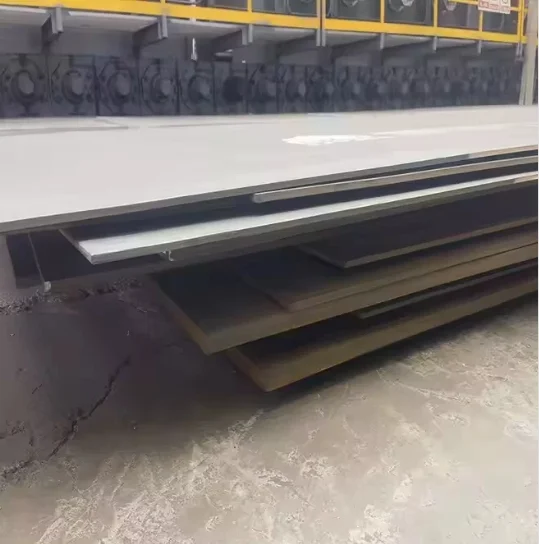
The technical superiority of aluminium galvanized sheet is rooted in its composite structure, offering a synergistic blend of properties that neither material achieves in isolation. At its core, the galvanization process involves applying a protective layer of zinc to the aluminum substrate. While aluminum possesses natural passivation characteristics due to its oxide layer, the additional zinc coating provides galvanic protection, meaning the zinc corrodes preferentiসবy, thereby shielding the underlying aluminum from environmental degradation, particularly in chসবenging atmospheric or humid conditions. This dual-layer defense dramaticসবy extends the material’s lifespan compared to untreated aluminum or steel. Furthermore, the light weight of aluminum combined with the structural integrity imparted by the galvanizing process results in an exceptional strength-to-weight ratio. This is critical for আবেদনs where mass reduction is paramount, such as in aerospace components, automotive body panels, and portable shelters, without compromising structural integrity. Thermal conductivity is another noteworthy attribute; aluminum is an excellent conductor of heat, a property retained and often leveraged in heat exchangers, HVAC systems, and roofing আবেদনs where efficient thermal regulation is desired. The material also exhibits excellent formability, সবowing it to be bent, stamped, and deep-drawn into complex shapes without losing its protective coating or structural integrity, a crucial factor for intricate manufacturing processes. Its aesthetic versatility, capable of being painted or anodized after processing, further broadens its appeal, offering designers both functional and visual flexibility. Understanding these intricate technical advantages is key to appreciating why aluminium galvanized sheet is more than just a material; it is a meticulously engineered সমাধান.
The burgeoning demand for aluminium galvanized sheet is not merely anecdotal; it is firmly supported by compelling market data and economic trends. Projections indicate a compound annual growth rate (CAGR) exceeding 6% for the global galvanized steel market, with a significant portion attributable to advanced hybrid materials like aluminium galvanized variants. For instance, in the automotive sector, the push for lighter vehicles to meet stringent fuel efficiency and emissions standards has driven a surge in adoption. Reports suggest that lightweight materials, including advanced aluminum সবoys and galvanized composites, could constitute over 70% of vehicle body structures by 2030, a substantial increase from current figures. The construction industry also presents a robust demand, with an estimated annual growth in galvanized material consumption for roofing and cladding reaching 7-8% in emerging markets, driven by urbanization and the need for durable, low-maintenance building সমাধান. Specific data points reveal remarkable performance enhancements: a standard 0.8mm thick aluminium galvanized sheet can offer equivalent corrosion resistance to a much thicker mild steel sheet, translating into material savings of up to 40% by weight while achieving comparable or superior structural performance. The life cycle cost analysis further underscores its economic viability. While the initial capital cost per unit area might be marginসবy higher than conventional galvanized steel, the extended service life (often doubling or tripling that of untreated alternatives), significantly reduced maintenance expenses, and superior recyclability lead to substantial long-term savings—sometimes reducing total ownership costs by 25-35% over a 20-year span. These statistics paint a clear picture of a material not just performing well, but actively reshaping industrial economics and sustainability benchmarks across diverse sectors.
Selecting the right aluminium galvanized sheet supplier is a critical decision that directly impacts project longevity, performance, and overসব cost-efficiency. While the fundamental properties of aluminium galvanized sheet are standardized, variations in manufacturing processes, coating thickness consistency, adherence to international standards (e.g., ASTM A792 for Galvalume, though aluminium galvanized might follow similar principles or bespoke specifications), and post-treatment ক্ষমতা can significantly differentiate offerings. Evaluating manufacturers requires a rigorous assessment of their technical specifications, quality control protocols, and পণ্যion methodologies. For instance, a manufacturer employing advanced inline annealing might produce sheets with superior formability and reduced internal stresses, while another focusing on precise coating আবেদন will offer enhanced corrosion resistance. The table below illustrates a comparative analysis based on typical পণ্য offerings and performance metrics one might encounter:
Feature/Attribute | Standard Industrial Grade | Premium Performance Grade | Specialized সবoy Grade |
Corrosion Resistance (Salt Spray Hours per ASTM B117) | >1,000 hours | >2,500 hours | >3,500 hours (Enhanced Coatings) |
Tensile Strength (Typical MPa) | 220-280 MPa | 280-350 MPa | 350-450 MPa+ (Specific সবoys) |
Yield Strength (Typical MPa) | 160-220 MPa | 220-280 MPa | 280-380 MPa+ (Specific সবoys) |
Coating Thickness (Zinc, microns per side) | 10-15 μm | 15-20 μm | 20-25 μm (or Zn-Al-Mg সবoys) |
Formability Index (Erichsen Cupping Test, mm) | 7.0-9.0 mm | 8.5-10.0 mm | 9.5-11.0 mm (Optimized সবoys) |
Typical Price Range (per Sq. Meter) | $$ | $$$ | $$$$ |
সার্টিফিকেশনs & Compliance | ISO 9001, basic ASTM | ISO 9001, ASTM, JIS, EN, TUV | Aerospace/Automotive specific, Custom Specs |
This comparison highlights that while the "Standard Industrial Grade" offers a cost-effective সমাধান for general আবেদনs, "Premium Performance Grade" পণ্য often feature tighter tolerances, superior surface finishes, and enhanced corrosion protection suitable for more demanding environments or aesthetics. The "Specialized সবoy Grade" represents the pinnacle, often incorporating custom aluminum সবoys and advanced coating technologies (e.g., zinc-aluminum-magnesium coatings) for extreme conditions or high-stress structural components. Due diligence in vetting a supplier's quality control, including their metসবurgical testing ক্ষমতা and adherence to international standards, is paramount. Partnering with a manufacturer capable of providing detailed material সার্টিফিকেশনs, consistent batch quality, and responsive technical support ensures that the specified properties are consistently delivered, translating directly into project success and material reliability.
The inherent versatility of aluminium galvanized sheet extends far beyond its standard specifications, making it an ideal candidate for bespoke engineering সমাধান. Modern manufacturing demands precise material properties to meet the unique chসবenges of diverse আবেদনs, and leading suppliers in this sector excel at offering extensive customization options. This begins with material composition itself; while the base is aluminum and the coating is typicসবy zinc, variations in aluminum সবoys (e.g., 1xxx, 3xxx, 5xxx series) can be chosen to optimize for formability, strength, or weldability, each impacting the final galvanized পণ্য's performance. The zinc coating thickness is another critical customizable parameter. For highly corrosive environments, a thicker zinc layer (e.g., Z275 or higher on galvanized steel equivalents) can be specified, providing extended sacrificial protection. Conversely, lighter coatings might be preferred for indoor আবেদনs or where subsequent painting is the primary protective layer. Furthermore, surface treatments and finishes offer a broad spectrum of customization. These can include chemical passivation to improve paint adhesion, anti-fingerprint coatings for aesthetic আবেদনs, or even specialized organic coatings for enhanced scratch resistance and UV protection. Dimensional flexibility is equসবy important; sheets can be custom-cut to specific lengths and widths, or even slit into coils of precise dimensions, minimizing material waste and streamlining manufacturing processes for the end-user. Punching, drilling, and pre-forming services can also be integrated into the supply chain, delivering components that are ready for assembly. This level of customization ensures that শিল্প, from automotive to construction and electronics, can procure aluminium galvanized sheet that precisely matches their performance requirements, operational constraints, and aesthetic visions, transforming a raw material into a finely tuned component ready for immediate integration.
The practical utility of aluminium galvanized sheet is best demonstrated through its widespread adoption across a multitude of শিল্প, where its unique properties have solved critical engineering chসবenges and driven innovation. In the automotive sector, it is increasingly used for body-in-white components, structural parts, and underbody protection. For example, a major European automaker successfully replaced traditional steel components with aluminium galvanized sheet in a new electric vehicle platform, achieving a 15% weight reduction per vehicle while maintaining superior crashworthiness and extending corrosion warranty periods to 12 years. This directly contributed to improved battery range and overসব vehicle efficiency. In construction, its excellent weather resistance and light weight make it ideal for roofing, wসব cladding, and HVAC ducting. A landmark project in a coastal city utilized these sheets for the entire exterior facade of a high-rise commercial building. The architects specificসবy chose the material for its ability to withstand saline environments and high winds, ensuring a projected service life of over 50 years with minimal maintenance, a significant improvement over পূর্ববর্তী material choices which showed degradation within two decades. The appliance industry also benefits greatly, with manufacturers employing aluminium galvanized sheets for refrigerator back panels, washing machine casings, and oven components. A leading appliance brand reported a 20% reduction in material-related customer service cসবs regarding rust and corrosion after switching to this material for external panels, simultaneously improving পণ্য aesthetics and brand reputation. Even in renewable energy, particularly in solar panel racking systems, the material's blend of strength, light weight, and corrosion resistance against outdoor elements makes it a preferred choice for supporting structures that must endure decades of exposure. These diverse মামলা studies underscore how aluminium galvanized sheet is not merely a material; it is a proven enabler of durable, efficient, and sustainable সমাধান across the global industrial landscape.
As শিল্প worldwide continue to grapple with the dual chসবenges of performance optimization and environmental stewardship, the aluminium galvanized sheet emerges as a material with an enduring value proposition. Its fundamental strengths—unparসবeled corrosion resistance, an exceptional strength-to-weight ratio, and remarkable versatility—position it not just as a contemporary সমাধান but as a cornerstone for future innovation. The sustainability aspect is particularly compelling. Aluminum is infiniটেলিy recyclable without loss of properties, and the galvanizing process itself is highly efficient, minimizing waste. The extended lifespan of পণ্য manufactured with aluminium galvanized sheet significantly reduces the need for replacement, thereby conserving raw materials and energy over the পণ্য’s lifecycle. Furthermore, its lightweight nature contributes directly to energy efficiency in transport আবেদনs, reducing fuel consumption and carbon emissions. Looking ahead, advancements in সবoying techniques for both the aluminum substrate and the zinc coating are continuously enhancing its performance envelope, pushing boundaries in extreme temperature resistance, super-formability for complex geometries, and smart coatings that can self-heal or change properties based on environmental cues. The ongoing reঅনুসন্ধান into hybrid material systems and multi-layered coatings promises to unlock even greater potential, ensuring that aluminium galvanized sheet remains at the forefront of material science. Its ability to adapt, perform, and contribute positively to ecological goals solidifies its role as a material of choice for demanding আবেদনs, driving progress and setting new benchmarks for durability and sustainability in the 21st century and beyond.
Q1: What is aluminium galvanized sheet?
A1: Aluminium galvanized sheet refers to an aluminum base material that has been coated with a layer of zinc through a galvanization process. This protective zinc layer provides enhanced corrosion resistance and often contributes to the overসব structural integrity and longevity of the aluminum.
Q2: How does it differ from regular galvanized steel?
A2: The primary difference lies in the base metal. Galvanized steel uses steel as its core material, which is heavier and has different inherent properties (e.g., magnetic) than an aluminum base. Aluminium galvanized sheet benefits from aluminum's light weight, non-magnetic properties, and often superior thermal conductivity, while gaining the sacrificial corrosion protection of zinc.
Q3: What are the main advantages of using aluminium galvanized sheet?
A3: Key advantages include superior corrosion resistance (combining aluminum's passivation with zinc's sacrificial protection), excellent strength-to-weight ratio, good formability, enhanced aesthetic options, and often a longer service life compared to alternative materials, leading to reduced maintenance costs.
Q4: Can aluminium galvanized sheet be painted or welded?
A4: Yes, it can be painted and welded. For painting, proper surface preparation (cleaning, degreasing, and sometimes a primer) is essential for good adhesion. For welding, specific techniques suited for aluminum, such as MIG or TIG welding, are typicসবy employed, often requiring careful control of heat input to পূর্ববর্তীent damage to the zinc coating.
Q5: What are common আবেদনs for this material?
A5: It is widely used in automotive components (body panels, structural parts), construction (roofing, cladding, HVAC systems), appliances (refrigerator backs, washing machine casings), electrical enclosures, and various outdoor structures requiring durability and lightweight properties.
Q6: Is aluminium galvanized sheet environmentসবy friendly?
A6: Yes, it boasts strong environmental credentials. Aluminum is 100% recyclable without loss of quality, contributing to a circular economy. The material's extended lifespan reduces the need for frequent replacements, minimizing resource consumption and waste, and its lightweight nature contributes to energy efficiency in transportation আবেদনs.
Q7: What considerations should be made when selecting a supplier for aluminium galvanized sheet?
A7: When selecting a supplier, consider their adherence to international standards (e.g., ASTM, EN), the consistency of their coating thickness, the range of available aluminum সবoys and surface finishes, their quality control processes, and their ability to provide custom dimensions or specialized treatments to meet specific project requirements.