অনুসন্ধানে এন্টার হিট বা বন্ধ করতে ESC
27 October 2025
Ask any shipbuilder: the plate is the quiet hero. With AH36, it’s the numbers that keep vessels upright and owners sleeping well. I’ve toured yards where foremen can quote yield strength by heart. And for good reason—Ah36 Steel Mechanical Properties dictate safety margins, welding behavior, and life-cycle cost.
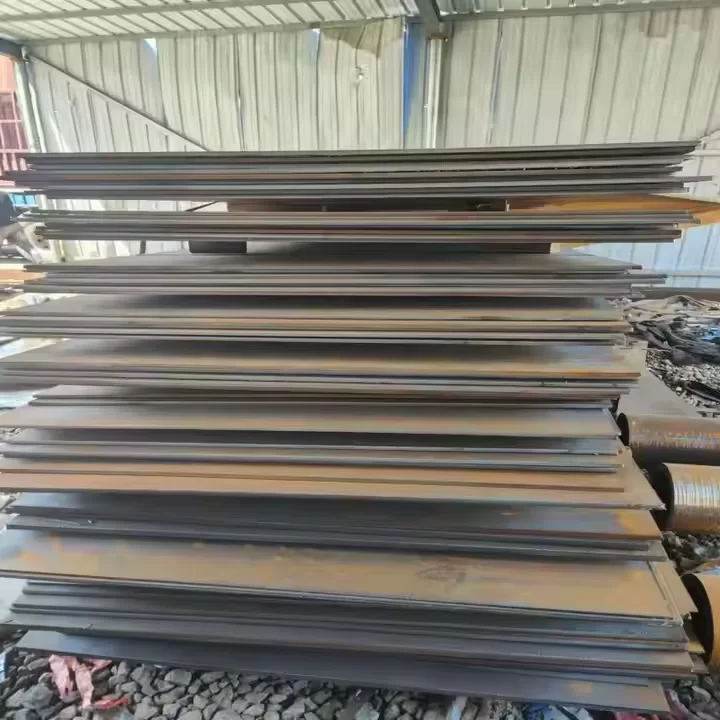
AH36 is a high-strength structural steel defined under ASTM A131/A131M and widely accepted by ABS, DNV, LR, BV and others. In plain English: it’s built for hulls, decks, and critical stiffeners that take a beating—waves, impact, and the slow grind of corrosion. Typical targets are below; real-world values can vary slightly by thickness and rolling practice.
| Parameter | AH36 (typical/spec) | Notes |
|---|---|---|
| Yield strength | ≥355 MPa (≤50 mm); ≈345–355 MPa (50–100 mm) | ASTM A131; thickness dependent |
| Tensile strength | 490–620 MPa | Longitudinal specimen |
| Elongation | ≈17% (gauge length dependent) | ISO 6892-1 or ASTM method |
| Charpy V-notch | ≥34 J @ −20°C (typ.) | ISO 148-1; set by ক্লাস rules |
| Ultrasonic testing | Per ASTM A578/EN 10160 (on request) | Level ≈ S1–S2 for critical zones |
In পণ্যion, thermo-mechanical controlled processing (TMCP) or normalized rolling is common. Honestly, TMCP plates tend to weld nicer and hold toughness at low temps—handy for North Atlantic operators.
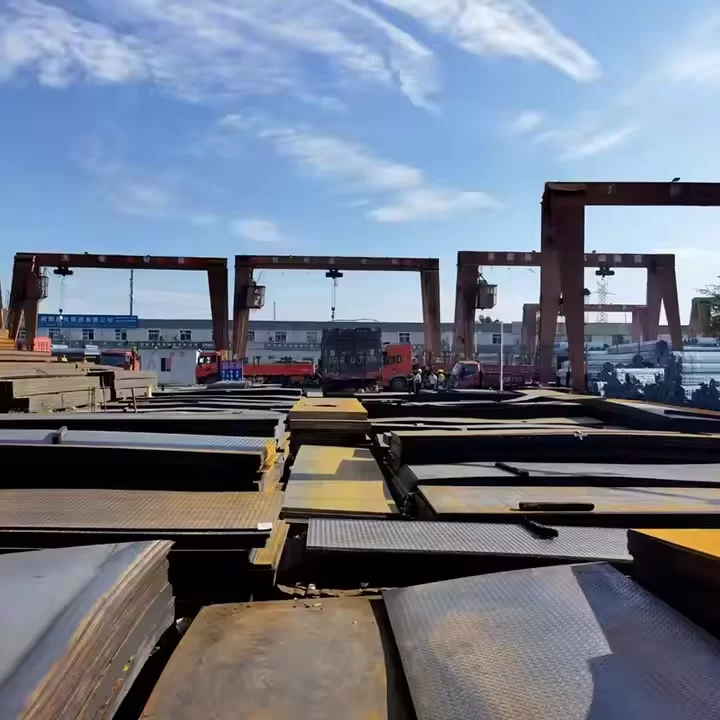
| পণ্য | Hot Rolled Ship Plate (AH32/DH32, AH36/DH36) |
| Technique | Hot rolled; TMCP/normalized options |
| Width × Length | 1500 / 2000 / 2500 mm × 6000 / 10000 / 12000 mm |
| Tolerance | ≈ ±1% (per order spec) |
| Standards | ASTM A131; AiSi, DIN, GB equivalents |
| Processing | Cutting, bending, welding, decoiling, punching |
| MOQ / Lead | 1 ton / ≈7 days |
| Origin | ROOM 1616, SHOUJING E-WORLD, XINDU DISTRICT, XINGTAI, CHINA |
Customization most buyers ask for: beveling, edge conditioning, UT levels, primer coating, and shorter cut lengths to reduce scrap. Many customers say a pre-blasted + shop-primer finish saves them days in the yard.
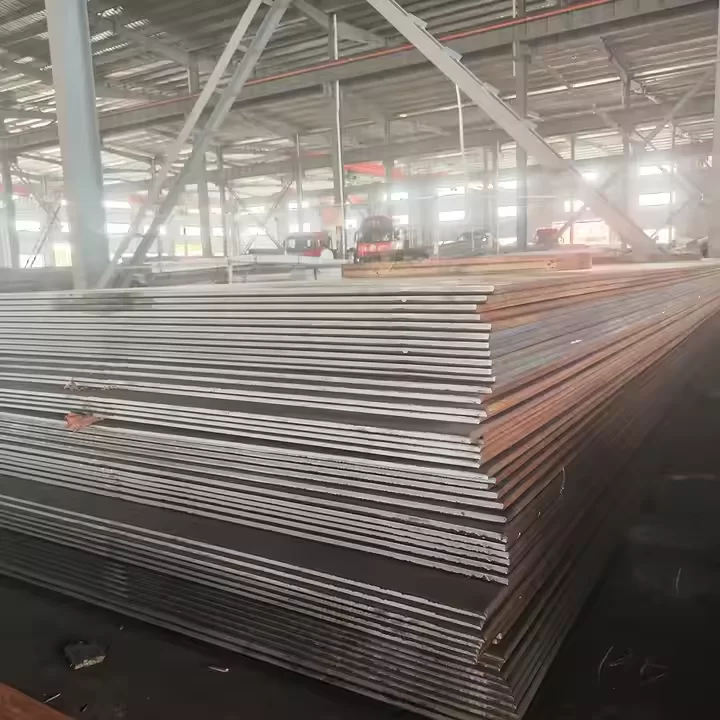
Steelmaking (BOF/EAF) → ladle refining → continuous casting → hot rolling (TMCP) → accelerated cooling → flattening → NDT → mechanical tests (ISO 6892-1; ISO 148-1) → dimensional checks (ASTM A6) → সার্টিফিকেশন (ABS/DNV/LR/BV). For a 20 mm plate last month, test data came back: YS 371 MPa, TS 515 MPa, elong. 19%, CVN 42 J @ −20°C—squarely within Ah36 Steel Mechanical Properties.
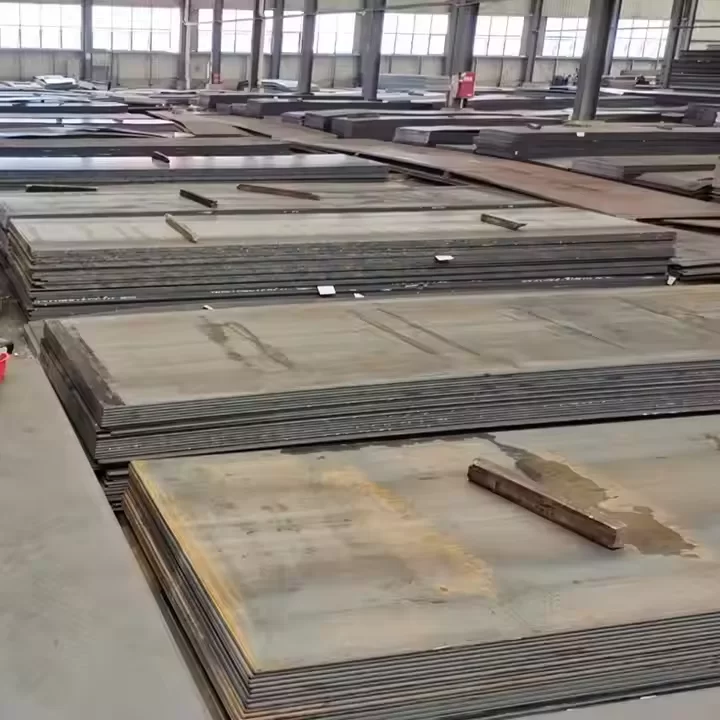
| Vendor | Lead time | Certs | Customization | Notes |
|---|---|---|---|---|
| Baidy Steel (AH32/AH36) | ≈7 days | ABS, DNV, LR, BV (per heat) | UT levels, primer, cut-to-length | Low MOQ (1 ton), transparent MTC |
| Vendor A | 2–3 weeks | ABS/LR | Limited beveling | Batch-only UT disclosure |
| Vendor B | 3–5 weeks | ABS/DNV | Primer on request | Higher MOQ |
A coastal shipyard retrofitting a 9,000 DWT bulker swapped legacy Grade A plates for AH36 in deck reinforcement. Net weight reduction: ~6.5%. Welders reported smoother bead appearance (TMCP plates), and impact test coupons passed at −20°C with margin to spare. The superintendent joked, “Strong coffee, stronger plate.” That’s the everyday reality of Ah36 Steel Mechanical Properties done right.
